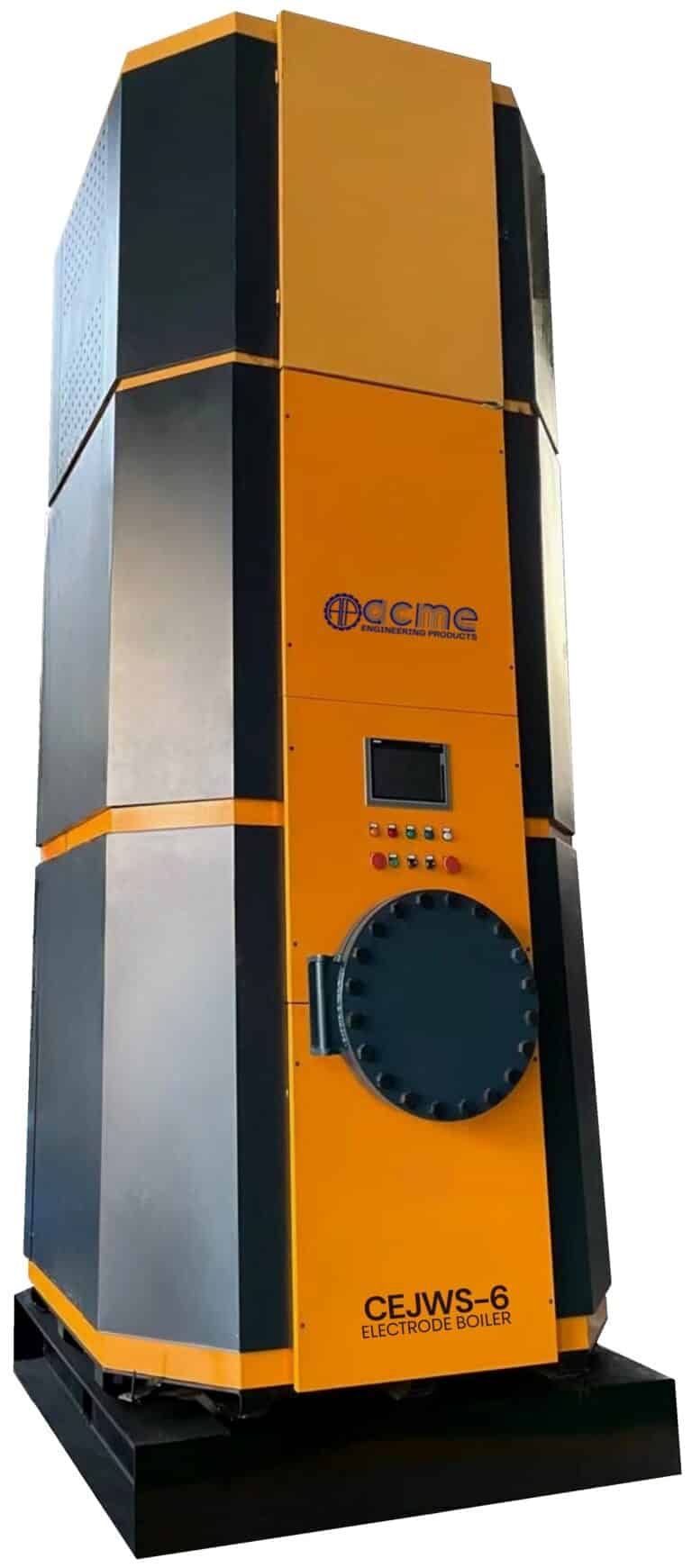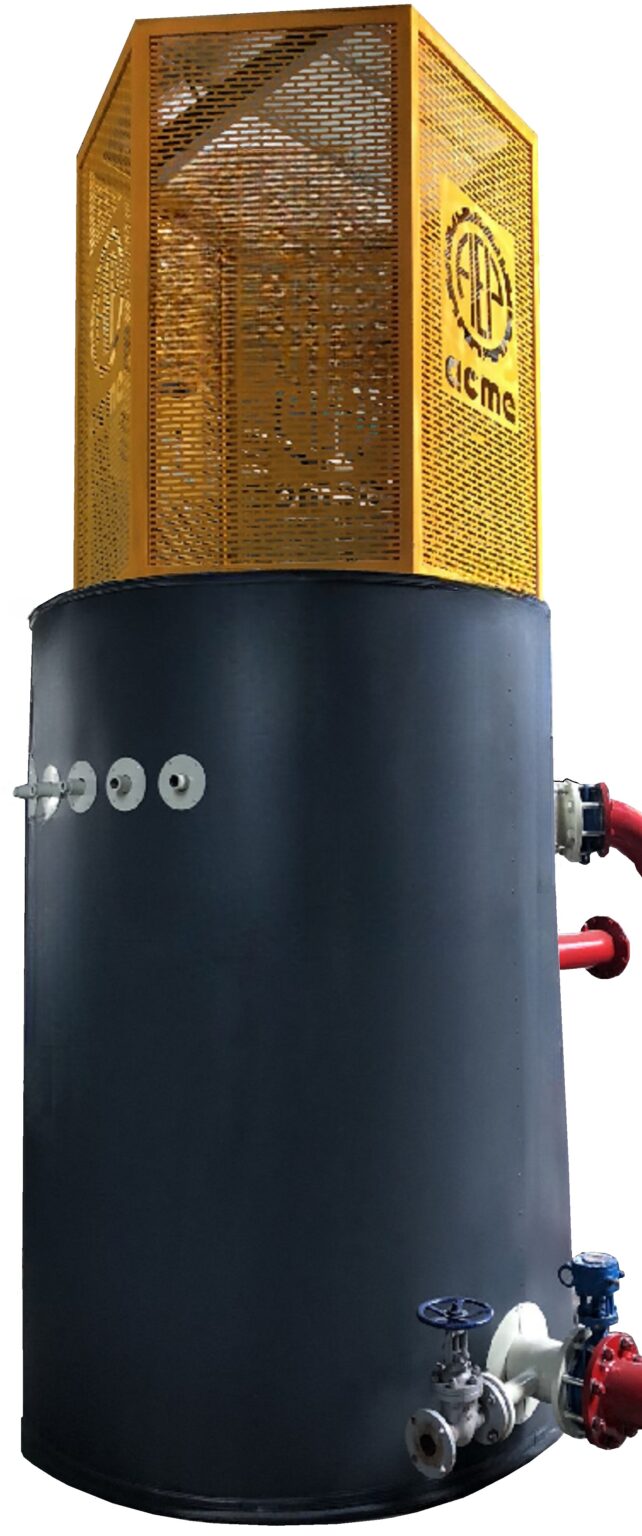
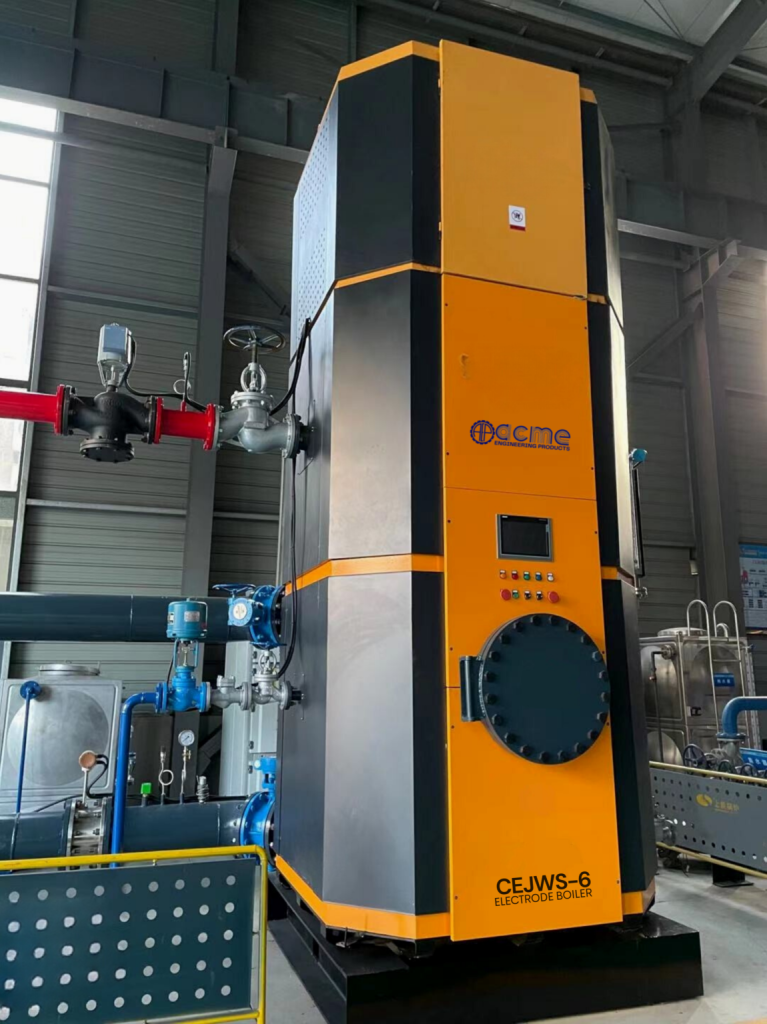
Electric Boilers for Commercial Applications
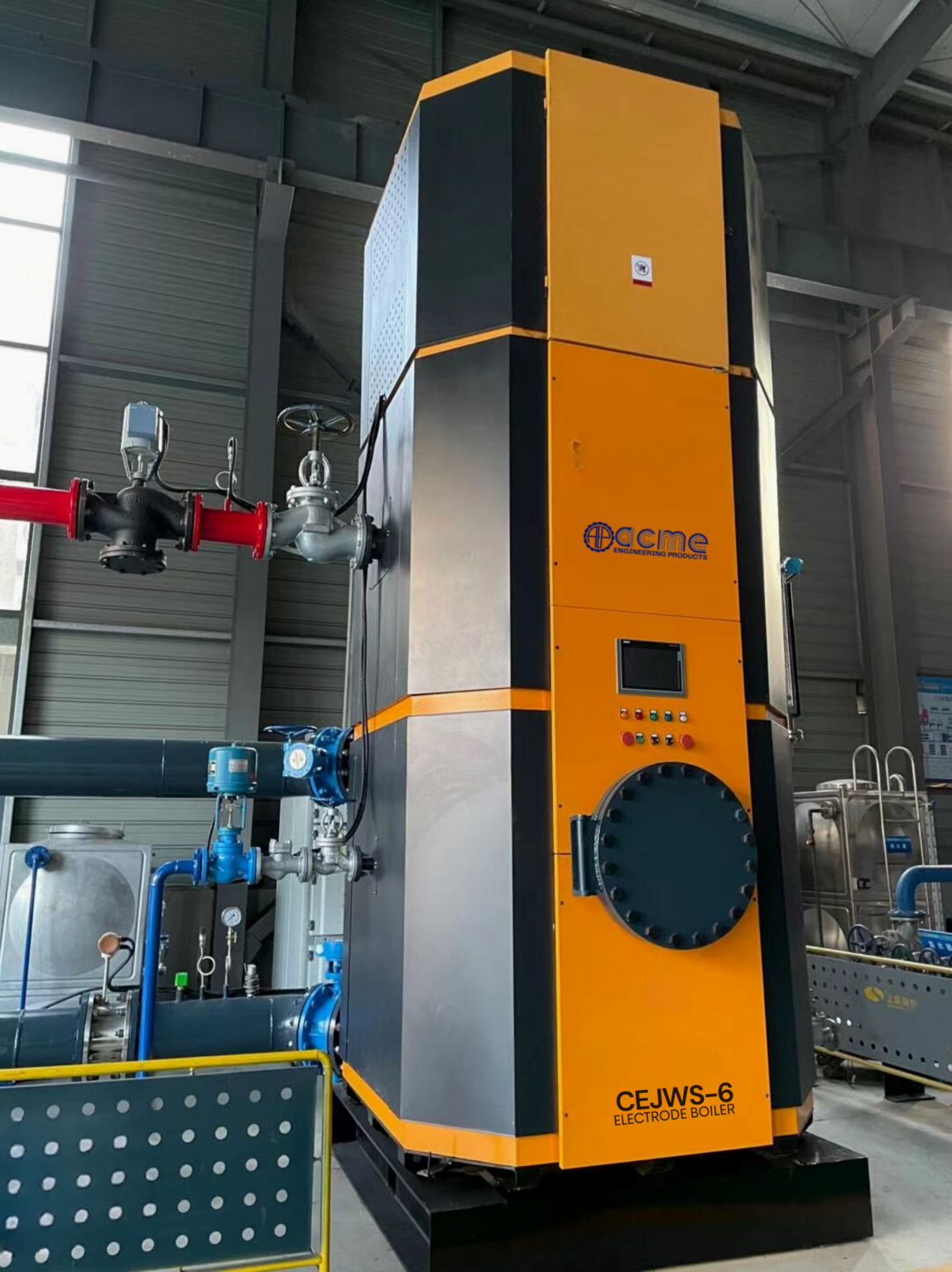
Commercial buildings require a reliable and efficient heating system to ensure comfort for employees and customers alike. Electric boilers have emerged as a popular choice for commercial spaces due to their numerous advantages, making them an ideal heating solution for various business establishments.
Advantages of using electric boilers in commercial buildings
- Energy efficiency: Electric boilers are highly efficient, converting nearly all the electricity they use into heat. This results in lower energy consumption and reduced utility bills for commercial establishments.
- Space-saving: Electric boilers are compact in size and can be easily installed in tight spaces, making them suitable for commercial buildings with limited room for heating equipment.
- Quiet operation: Electric boilers operate silently, ensuring a peaceful working environment in commercial spaces where noise control is crucial.
- Zoning capabilities: Electric boilers allow for precise temperature control in different areas of a commercial building, enabling businesses to create comfortable zones tailored to specific needs.
- Easy installation and maintenance: Electric boilers have simple installation requirements and require minimal annual maintenance, reducing downtime for businesses.
- Environmentally friendly: With no combustion involved, electric boilers produce zero emissions, making them a clean and sustainable heating option for commercial buildings.
Factors to consider when selecting electric boilers for commercial spaces
- Heating capacity: It is important to choose an electric boiler with sufficient heating capacity to meet the demands of the commercial space. Factors such as building size, insulation, and heat loss should be considered.
- Controls and automation: Commercial establishments may benefit from advanced control systems that allow for easy scheduling, remote monitoring, and integration with building management systems.
- Safety features: Electric boilers should have built-in safety mechanisms, such as pressure relief valves and temperature sensors, to ensure safe operation and prevent potential hazards.
- Service and support: Selecting electric boilers from reputable manufacturers who offer comprehensive service and support guarantees reliable operation and prompt assistance in case of any issues.
C. Case studies highlighting successful implementation of electric boilers in commercial settings
Real-world examples of businesses that have successfully implemented electric boilers in their commercial spaces can help showcase the benefits and provide valuable insights for those considering this heating solution. These case studies demonstrate how electric boilers have improved energy efficiency, reduced costs, and provided reliable heating for various commercial buildings.
Water and Heat Storage with Electric Boilers
Electric boilers not only provide efficient heating for residential and commercial applications, but they also offer excellent water and heat storage capabilities. This section explores how electric boilers excel in water heating and the various heat storage options available.
Exploring water heating capabilities of electric boilers
One of the key advantages of electric boilers is their ability to provide a constant supply of hot water. Unlike traditional boilers, electric boilers heat water directly, eliminating the need for a separate storage tank. This ensures that hot water is readily available whenever it is needed.
Electric boilers also offer precise temperature control, allowing users to customize their water heating preferences. This eliminates the risk of scalding or fluctuating water temperatures, ensuring a comfortable and safe experience for users.
Whether you need hot water for showers, washing dishes, or other household needs, electric boilers deliver reliable and consistent performance.
Heat storage options and their relevance to electric boilers
In addition to water heating, electric boilers can also store excess heat for later use. This feature is particularly beneficial in systems that require heat during off-peak hours or when electricity rates are lower.
There are several heat storage options available for electric boilers, including thermal storage tanks and heat banks. Thermal storage tanks allow users to store excess heat and use it later when needed. This not only maximizes energy efficiency but also reduces overall heating costs.
Heat banks, on the other hand, are designed to store heat generated by the electric boiler and release it gradually to maintain a consistent temperature. This ensures that heat is available even when the boiler is not actively heating the water or space.
By incorporating heat storage options, electric boilers provide flexibility and cost savings by allowing users to take advantage of off-peak electricity rates and store excess heat for later use.
Electric Boilers
One of the primary functions of electric boilers is to heat water. These boilers utilize electric resistance heating elements to raise the temperature of the water, providing hot water for various purposes. Whether it’s for a hot shower, washing clothes or dishes, electric boilers offer an efficient solution for heating water quickly.
Commercial Applications
In commercial settings, electric boilers play a crucial role in providing hot water for various operations. Restaurants, hotels, hospitals, and other commercial facilities benefit from the reliable and efficient performance of electric boilers. They are often used in kitchens, laundries, and other areas where a constant supply of hot water is necessary.
Installation and Maintenance
Installing an electric boiler is relatively straightforward compared to other types of boilers. They are compact and often require less space, making them suitable for various installation locations. Electric boilers also generally have fewer moving parts, resulting in less maintenance and lower associated costs over time. Their simplicity and ease of use make them an attractive option for many customers.
Electric boilers provide a reliable and efficient solution for heating water in both residential and commercial applications. Their ease of installation, low maintenance requirements, and compact design make them a popular choice among customers looking for a convenient and cost-effective heating solution. Consider electric boilers for your water heating needs, and experience the benefits they offer.
Why Choose Electric Boilers? Key Advantages That Deliver Results
Performance and Efficiency Where It Matters Most
Electric boilers provide a modern solution to heating by directly converting electrical energy into heat. Unlike combustion-based systems that lose energy through exhaust gases, electric models channel almost 100% of the input power into thermal output. This precision efficiency becomes especially valuable in both commercial and industrial applications, where every kilowatt counts.
 Energy Efficiency: Electric boilers reach efficiencies up to 99%, channeling nearly all consumed electricity into usable heat. No flue losses, no fuel combustion—just direct, fast output.
- Cost Savings: With no need for fuel delivery systems, burners, or flue maintenance, users benefit from lower upkeep expenses. Annual servicing is minimal, mitigating long-term operational costs.
- Eco-Friendly Heating: These systems produce zero on-site emissions. That’s right: no carbon monoxide, nitrogen oxides, or other pollutants normally associated with fossil fuel boilers.
- Quiet Operation: No flames, no fans. With no mechanical combustion components in play, electric boilers operate in near silence—ideal for noise-sensitive environments like office buildings, schools, and healthcare facilities.
- Compact Design: Space-saving dimensions allow installation in tight areas. Small basements, utility closets, modular mechanical rooms—installation becomes flexible and straightforward.
- Safety Features: Without combustible fuel or ignition sources, there’s no risk of gas leaks or explosions. Electric boilers eliminate the safety hazards often posed by traditional heating systems.
- Low Maintenance: Fewer moving parts means reduced wear and tear. No burners to clean, no heat exchangers to scale, and no chimneys to inspect—saving time and effort on service routines.
Burner Combustion Systems supports the full lifecycle—from boiler selection and sales to rental, installation, and ongoing service. Whether you’re retrofitting an aging system or doing a ground-up build, their team aligns technology with your thermal process requirements.
Fast Installations, Lower Costs: Why Electric Boilers Simplify Heating Projects
Streamlined Installation Means Minimal Disruption
Electric boilers don’t require flues, fuel tanks, or complex pipework, which reduces the scope and duration of installation. Unlike gas systems that often need venting and extended permitting, electric units connect directly to a building’s power supply. This simplicity allows for clean installations, even in space-constrained environments.
Burner Combustion Systems handles complete installation services and maintains strong turnaround times, especially for commercial projects where scheduling efficiency matters. Technicians complete most commercial retrofits or new system integrations in less time than traditional boiler systems demand.
Adaptable to Older Structures and Retrofit Projects
Buildings with aging infrastructure often struggle to accommodate gas or oil-based heating upgrades due to venting issues or fuel storage limitations. Electric boilers provide a viable solution. With compact footprints and no emissions, these units can be installed without requiring major renovations or structural changes.
Burner Combustion Systems works with facility managers and property owners to pre-assess electrical capacity and ensure smooth transitions in both residential and legacy commercial buildings.
Commercial Upgrades with Minimal Downtime
For manufacturers, schools, hotels, or commercial offices, downtime during heater replacement can be costly. Electric boilers reduce that risk. Their modular nature means individual units can be swapped or added to a system without interrupting overall building operations. When time sensitivity is critical, Burner Combustion Systems offers short-term boiler rentals to cover heat supply during installation periods.
Lower Operating Costs When Compared to Fossil Fuels
Because electric boilers operate at nearly 100% efficiency, less energy is wasted during heat conversion. In contrast, gas boilers usually deliver efficiencies between 70% and 90%, depending on age and maintenance level. Over time, this performance gap translates into real savings—particularly when paired with variable-rate commercial electricity pricing or demand-side response incentives.
Oil and gas prices fluctuate based on global markets. Electric power, by contrast, can be sourced locally and stabilized through fixed-rate contracts. This makes budgeting more predictable over the long term.
Minimal Maintenance Drives Down Lifecycle Costs
- No burners to clean or adjust
- No fuel pumps, filters, or lines to inspect
- No emissions-related components like flue gas analyzers or condensate traps
- No carbon monoxide monitoring required
Fewer moving parts means fewer points of failure. Burner Combustion Systems offers preventative maintenance packages for large installations, but most electric boilers run reliably for years with minimal intervention—particularly in sealed loop systems.
Trusted Alternatives to Gas and Oil Heating
Beyond Fossil Fuels: Why the Shift Is Underway
Traditional gas and oil heating systems pose well-documented environmental and safety concerns. Combustion-based boilers emit nitrogen oxides (NOₓ), carbon monoxide (CO), and carbon dioxide (CO₂)—with heating and cooling accounting for roughly 40% of global CO₂ emissions from buildings, based on data from the International Energy Agency. Additionally, gas leaks, backdrafting, and potential explosions remain issues with fuel-based heating, especially in older infrastructure without updated safety systems.
Regulatory pressure continues to intensify. In cities like New York, new building codes now prohibit fossil fuel connections for certain buildings. The industry’s trajectory is clear—shifting away from gas and oil is no longer optional for future compliance or environmental responsibility. Electric boilers stand firmly in line with this evolution.
Zero-Emissions Heat with Electric Precision
Powered entirely by electricity, electric boilers generate no on-site emissions. That single feature eliminates flue gas output, air quality risks, and ventilation requirements. With fully sealed systems, there’s no combustion happening—hence no fuel storage, no pilot lights, and no carbon monoxide buildup. Under controlled testing conditions, models tested by the U.S. Department of Energy deliver thermal efficiencies of up to 99%, meaning almost all the energy input is converted directly into heat.
As the electrical grid incorporates more solar, wind, and hydroelectric input, electric boilers become even cleaner over time. The heat they provide is not only efficient—it’s also decoupled from volatile fossil energy markets. No supply chain disruptions. No fuel delivery schedules.
The Cleaner, Safer, Future-Proof Solution
Where gas and oil systems face unavoidable scrutiny—on emissions, maintenance complexity, and long-term viability—electric boilers overcome those limitations. They operate silently, require no chimneys or flues, and eliminate the threat of gas leaks entirely. Urban developers, healthcare facilities, and educational institutions are transitioning now to meet clean energy mandates ahead of time.
- Zero-combustion operation: no flames, fuel storage, or exhaust.
- No emissions at the point of use: compatible with decarbonization goals.
- Grid-ready: integrates with renewable energy and future smart grids.
- Safety by design: electric boilers drastically reduce explosion and fire risk.
Burner Combustion Systems supports this transition by providing sales, rentals, installation, and ongoing service for commercial and industrial electric boilers. Whether replacing outdated fossil fuel systems or designing for net zero from the ground up, we offer electric heating solutions designed to align with both regulatory changes and long-term sustainability targets.
Why Choose Electric Heating?
Lower Emissions, Greater Efficiency
Electric boilers operate without combustion, which means they generate zero on-site emissions. This eliminates the production of nitrogen oxides (NOₓ), sulfur oxides (SOₓ), and carbon monoxide (CO), substances commonly released by fossil-fuel-powered systems. As a result, electric heating directly supports decarbonization goals and contributes to cleaner indoor and outdoor air quality.
Designed for Sustainability-Driven Businesses
Organizations targeting net-zero carbon operations turn to electric heating as a scalable solution. Unlike gas or oil systems, electric boilers do not rely on venting flue gases, which simplifies installation and minimizes structural disturbances. Facilities powered by wind, solar, or other renewable energy sources multiply their environmental benefits by pairing them with electric boiler systems.
Integration with Existing Infrastructure
Electric boilers connect seamlessly with most commercial and industrial electrical systems. Without the need for fuel storage, chimneys, or exhaust infrastructure, electric units reduce spatial requirements and eliminate many of the complications tied to traditional heating methods. For operations transitioning from fossil fuel systems, retrofitting with electric boilers minimizes downtime while aligning with long-term sustainability strategies.
Built for Compatibility with Renewable Energy
Electric heating unlocks opportunities for integrating advanced energy systems such as solar photovoltaic arrays, microgrids, and battery-based energy storage. When combined with real-time energy monitoring and smart grid participation, electric boilers enable dynamic load balancing and time-of-use optimization. This symbiosis between boiler performance and energy management enhances cost control while advancing ESG reporting metrics.
Sales, Rentals, and Installation Services
Burner Combustion Systems supplies electric boilers for short-term requirements and permanent installations. Whether outfitting an industrial facility with a new high-capacity system or renting for demand-side peak shaving, businesses gain full lifecycle support—from sizing and configuration to 24/7 service and maintenance.
Key Features of Our Electric Boilers
Energy Efficiency That Translates into Performance
Our commercial and industrial electric boilers operate at nearly 100% thermal efficiency. Every kilowatt of input electricity gets converted directly into usable heat — no fuel combustion, no energy waste. Traditional fuel-based systems lose heat through flue gases and mechanical inefficiencies, but electric systems bypass those losses entirely.
This high efficiency not only reduces overall energy consumption but also simplifies compliance with sustainability targets.
Low Carbon Emissions
Electric boilers release zero emissions at the point of use. When paired with renewable energy sources like solar PV or wind turbines, carbon output drops even further — aligning operations with corporate ESG goals and government climate mandates.
Cost Savings Across the Lifecycle
- Lower operational costs in buildings with good thermal performance, thanks to precise load matching and minimal heat waste.
- Reduced maintenance spend — no burners, valves, or flue infrastructure to service.
- Fewer regulatory requirements and inspections compared to gas or oil systems.
Streamlined Installation Process
No chimney. No flue. No fuel storage or piping network. Our electric boiler systems arrive ready to connect, requiring minimal on-site modification. In new construction or retrofit applications, the result is faster commissioning and lower upfront labor costs.
Compact Design Suitable for Tight Spaces
With wall-mounted and floor-standing configurations available, these systems fit in service rooms, mechanical closets, basements, or even under stairwells. That frees up square footage for other revenue-generating uses while delivering high-capacity thermal output in a small footprint.
Quiet Operation for Noise-Sensitive Environments
No burners to roar, no fuel pumps to hum. Electric boilers operate silently, making them ideal for offices, medical facilities, schools, and multi-tenant commercial buildings where noise can be disruptive.
Minimal Maintenance Requirements
With no combustion components, there’s no soot buildup, no burner tune-ups, and far fewer wear points. That translates into extended service intervals and less downtime. Many units run for years with only basic annual inspections.
Integration with Renewable Energy Systems
- Easily connected with photovoltaic solar panels and battery storage.
- Supports flexible peak-shaving and load-shifting strategies.
- Performs as a central component in fully electrified, zero-carbon heating systems.
Enhanced Safety Features
Electric boilers remove combustion risks altogether — no gas leaks, no explosions, and no carbon monoxide. Integrated sensors and digital protection controls monitor temperature, pressure, and water levels, shutting the system down safely if anomalies occur.
Smart, User-Friendly Controls
From intuitive touchscreen interfaces to full system automation via smart thermostats or apps, controlling heat output becomes precise and effortless. Automate schedules, manage zones, and fine-tune performance from any web-connected device.
Advanced Zoning and Temperature Control
- Manage multiple heating zones independently for optimized comfort.
- Eliminate energy waste by only heating occupied spaces.
- Support different temperature profiles for office areas, warehouses, or production zones.
Burner Combustion Systems offers complete sales, rentals, turnkey installations, and service support for commercial and industrial electric boilers tailored to match each project’s unique load requirements and architectural constraints.
Where Electric Boilers Work: Commercial & Large-Scale Applications
Commercial Heating Solutions
In commercial environments, electric boilers deliver dependable performance. Businesses across sectors—offices, retail locations, healthcare facilities, and manufacturing units—use them for consistent heating and hot water on demand. Their compact footprint and silent operation make them suitable for space-restricted buildings or retrofit projects.
Large office complexes benefit from zone control and reduced on-site emissions. Retail stores leverage their efficiency during fluctuating business hours, while medical centers count on them for uninterrupted heat critical in patient care areas. Industrial workshops, constantly in motion, rely on robust temperature consistency that supports both comfort and process heating needs.
Hot Water Supply for Businesses
Need a steady stream of domestic hot water for high-traffic environments? Electric boilers meet that demand. In hotels, they support peak shower usage without delay. In fitness centers, they maintain hot water for locker room use throughout the day. Restaurants count on them for hand-washing stations, dishwashing areas, and back-of-house cleanliness expectations.
- Hotels: Large-volume hot water delivery even during early morning rushes.
- Gyms and Spas: Continuous supply for showers, steam rooms, and cleaning protocols.
- Restaurants and Cafés: Hygienic operations in dish pits and prep zones.
Burner Combustion Systems: Full-Cycle Support
Burner Combustion Systems supplies reliable electric boiler solutions for commercial and industrial clients. From initial sale to rental programs, all the way through to professional installation and lifetime service—we cover every detail. Whether outfitting a new high-rise or retrofitting a legacy facility, our team ensures performance, compliance, and minimal disruption.
Engineered for Endurance: Longevity and Reliability of Electric Boilers
Commercial and industrial electric boilers deliver consistently high performance over extended periods. When maintained correctly, these systems operate efficiently for 15 to 20 years. That kind of reliability reduces operating disruptions and lowers total ownership costs.
Each unit features a rugged internal structure built for demanding environments. Corrosion-resistant components, such as stainless steel heating elements and non-ferrous piping, prevent degradation even in high-humidity or chemically aggressive atmospheres.
Designed with simplified mechanical parts and fewer moving components than combustion-based systems, electric boilers experience less mechanical wear. This streamlined engineering minimizes the frequency of part failures and ensures consistent output throughout their operational life.
Long-term reliability isn’t a marketing claim — it’s a documented outcome. Businesses that install electric boilers from Burner Combustion Systems report ongoing performance stability even after years of uninterrupted service.
What enables that long service life?
- Corrosion-resistant materials: Interior and exterior components resist scale, rust, and oxidation.
- Fewer mechanical parts: Simpler construction leads to lower chances of failure.
- Automated system diagnostics: Early alerts detect minor issues before they lead to breakdowns.
- Even thermal distribution: Design prevents hot spots that can shorten element life.
Need a boiler built to last? Burner Combustion Systems provides durable, electric-powered options backed by full installation and ongoing service support. Rentals and permanent setups are available for every industrial-grade application.
Alternatives to Gas or Oil Heating: Making the Case for Electric Boilers
Electric Boilers vs. Gas and Oil Boilers: A Direct Comparison
Switching from fossil fuels to electric heating doesn’t require guesswork. The data tells a clear story. Examine the side-by-side comparison below to see how modern electric boilers outperform traditional systems in key areas.
Why Businesses Are Accelerating the Shift
Across commercial and industrial sectors, reducing carbon intensity has moved from aspirational to non-negotiable. Electric boiler systems align with corporate ESG goals because they eliminate on-site combustion. As energy grids trend greener, operational emissions continue to drop, widening the contrast with fossil-based alternatives.
For example, a facility running a 1 MW gas boiler emits over 200 metric tons of CO₂ annually. Replacing that with an electric boiler slashes those emissions to zero if powered by renewables. Whether you’re heating a university building, powering a food processing plant, or running district energy networks, electrification offers a scalable path to climate neutrality.
Burner Combustion Systems Delivers the Full Package
From sales and rentals to installation and calibration, Burner Combustion Systems supports every phase of your conversion process. Our commercial and industrial electric boilers come pre-engineered for rapid deployment, with service crews available nationwide. Unlike gas or oil systems, electric boilers offer simplified integration—no fuel lines, no stack emissions, no compromise.
Ready to move away from carbon-heavy legacy systems? Let’s build your zero-emissions thermal solution together.
Integrating Heat Storage Solutions with Electric Boilers
Adding heat storage to an electric boiler system creates opportunities to reduce operating costs, enhance efficiency, and provide backup thermal capacity. While not mandatory, this optional addition offers distinct advantages for commercial and industrial facilities managing high energy demands.
Store Thermal Energy During Low-Cost Hours
By charging a thermal storage tank during off-peak electricity hours, facilities can capture and store surplus heat for use when demand surges. This strategic load shifting aligns with most time-of-use utility tariffs, where nighttime or midday electricity rates are significantly lower than peak-hour pricing. Instead of firing the boiler when costs spike, stored thermal energy—usually in the form of hot water or steam—takes over the load.
Lower Energy Costs with Time-of-Use Tariffs
Utilities in deregulated markets often structure rates around peak periods. Facilities taking advantage of this with heat storage can achieve measurable reductions in operational expenditure. For example:
- Charge storage at $0.04/kWh overnight
- Use stored heat during afternoon peaks when rates climb to $0.15/kWh
- Net cost savings of up to 60% over operating boilers directly during peak hours
Burner Combustion Systems supports system design tailored to accommodate your power provider’s rate structures, optimizing storage tank sizing, flow sequencing, and control logic accordingly.
Improved System Flexibility and Redundancy
In high-demand industrial environments, continuous heat availability is non-negotiable. Thermal storage adds a layer of resilience to your electric boiler system. When process interruptions or unexpected power outages occur, stored heat remains available to maintain operations temporarily. This buffer minimizes downtime while also enabling staged system restarts under controlled conditions.
Facilities operating multiple shifts, high-variation production lines, or seasonal demand curves can leverage stored heat to meet temporary surges without overburdening the primary boiler. The result is not only greater operational agility but also a longer lifecycle for the boiler system itself.
Integrated Heat Storage Solutions from Burner Combustion Systems
From tank selection and thermal insulation to control synchronization with your boiler and grid rates, Burner Combustion Systems engineers handle every step. Each solution is customized to the client’s energy profile and workflow, ensuring optimal thermal performance with minimal footprint. For installations where carbon reduction and efficiency targets must align, heat storage provides a proven and scalable answer.